
Glycolipids and additional analyses
Extraction and characterisation of glycosphingolipids and glycosylphosphatidylinositols, plus sulfation/phosphorylation analysis, SDS-PAGE, in-gel digestion and lectin blotting.
Glycolipids/lipids can be extracted from various forms of sample, such as cells, tissues, and culture supernatant. Lipids are extracted, and upon request, sphingolipids and gangliosides may be isolated from the rest of the lipids.
Glycosphingolipid and Glycosphoinositide
- Preparation of lipid portion from the cells by extraction
- Preparation of sphingolipid fraction from lipid portion by saponification
- Fractionation and purification of glycolipids by column chromatography and HPLC
- Separation and detection of glycolipids by Thin Layer Chromatography
- Fatty acid analysis by GC-MS and HPLC
- Glycosyl composition analysis by GC-MS
- Glycosyl composition analysis by HPAEC
- Glycosyl linkage analysis by GC-MS
- Sequencing of the oligosaccharides by exoglycosidase digestion
Other
- Identifying site(s) of attachment of non-carbohydrate constituents
- Isolation and purification of glycoproteins from mixtures
- Relative quantitation of N and O-linked glycans by isotopic permethylation using 12CH31
- Purification and isolation of bacterial and plant oligosaccharides from glycoprotein
- Gal a Gal analysis
- Mannose 6-phosphate analysis
- Determining glycosyl residue sequence, ring size and anomeric configuration
Sulfation/Phosphorylation analysis
- Identifying and determining the points of attachment of non-carbohydrate constituents such as phosphate and sulfate are crucial for understanding biological nature of the target molecules.
- Location of phospholylation/sulfation can be determined by NMR or/and HPAEC.
- MS analysis, glycosyl composition/linkage analyses with a combination of chemical procedures (such as HF treatment, mild acid/base treatment for releasing the modification) are often performed together with above-mentioned procedures.
SDS-PAGE and in-gel digestion
- Routine SDS-PAGE can be used to isolate a glycoprotein of interest for glycan or glycoprotein analysis. SDS-PAGE is also frequently used to purify produced target proteins from stabilizers such as bovine serum albumin.
- The CCRC Analytical Services Laboratory uses a number of in-house methods to extract glycopeptides from polyacrylamide gel slices including methods for in-gel protease digestion, glycan release with PNGaseF/A, and in-gel beta-elimination.
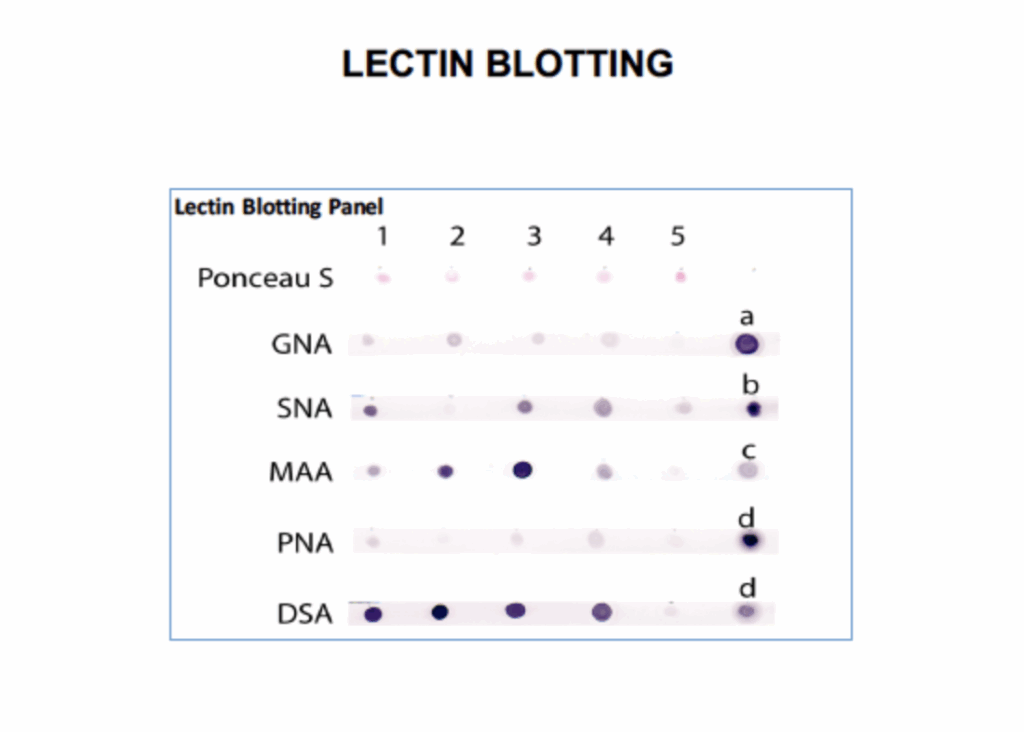
Lectin Blotting
- Glycan differentiation can be quickly obtained on blot results and isolated glycoprotein through the use of highly selective lectins, providing a crucial “first step” into further analysis
Request this service
Submit sample details and analytical requirements through the service request form. The facility will confirm sample amounts, turnaround and cost before work begins.