Democratizing glycoscience
An NSF-funded biofoundry at the Complex Carbohydrate Research Center, providing the analytical services, reagents, computational tools and training that make glycoscience accessible to every laboratory.
Explore the User FacilityResearch, education and training in glycoscience
Glycans decorate the surface of every cell and most secreted proteins, where they govern recognition, adhesion, signalling and stability. They remain difficult to work with: the reagents are hard to obtain, the analytical methods are specialised, and the instrumentation sits in a small number of centres. BioF:GREAT exists to lower each of those barriers — and to bring glycoscience into the classroom.
What we offer
Glycoanalytics
Glycomics, glycoproteomics, monosaccharide composition, linkage analysis, glycolipids, sialic acids and glycosylation site mapping by HPAEC, GC-MS, MALDI-TOF/TOF, Orbitrap MS and NMR.
Glycoenzyme catalogue
Recombinant GFP-tagged glycosyltransferases in 100 µg units, with nucleotide-sugar donors and analogs for chemoenzymatic synthesis.
NDP sugars and sugar derivatives
Nucleotide-sugar donors, azido sugar analogs and protected derivatives synthesised in house at >95% purity, for chemoenzymatic synthesis and bioorthogonal labelling.
Antibodies
Antibodies and antibody-based reagents for glycan detection, in development and available soon — register interest in a target epitope and application.
AI and bioinformatics
Deep learning for glycoenzyme classification and function prediction, GTXplorer, and JAAG for AlphaFold 3 glycan modelling.
Collaborative research
23 internal and 29 external projects spanning structural glycobiology, glycoproteomics, glycan engineering and computational method development.
Hands-on training
Summer bench courses and virtual courses in carbohydrate and glycoconjugate analysis, for students, postdoctoral researchers and visiting scientists.
Education
Instructional modules, case studies, videos and scientist interviews — developed, evaluated and revised on the basis of education research.
Getting started
- Service request — for defined analytical work or a catalogue order. No proposal required; you work directly with a facility technician.
- User proposal — for larger projects. A short 1–2 page proposal, internally and externally reviewed, with funding allocated case by case.
- User flow chart — both routes side by side if you are not sure which applies.
- Frequently asked questions — what BioF:GREAT is, how it works, and how to order.
Latest news

New case study by Dr. Megna Tiwari and Dr. Erin Dolan brings glycoscience into the classroom
Menstrual Cycle Misfire: When Biochemistry Meets Burnout, created by Dr. Megna Tiwari and Dr. Erin Dolan, has been published by the National Center for Case Study Teaching in Science. Students use hormone, protein-structure and mass spectrometry data to discover how altered glycosylation of luteinizing hormone disrupts the menstrual cycle under stress.
Read more
Dr. Daniel Polasky to lead MSFragger and FragPipe workshop at UGA
BioF:GREAT is bringing Daniel A. Polasky of the Nesvizhskii laboratory at the University of Michigan to the CCRC for a hands-on workshop on MSFragger and FragPipe, alongside a seminar on 20 August 2026.
Read more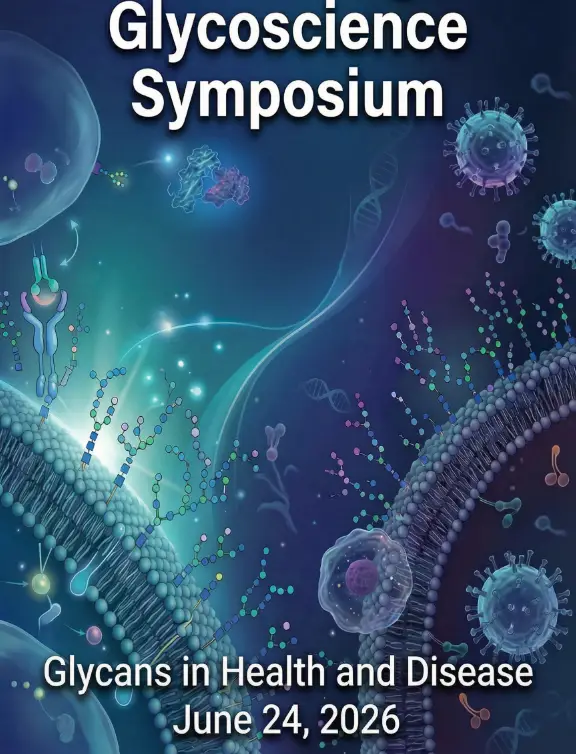
Glycans in Health and Disease — CCRC to hold glycoscience symposium in June
The Complex Carbohydrate Research Center will host a one-day glycoscience symposium, Glycans in Health and Disease, on 24 June 2026.
Read more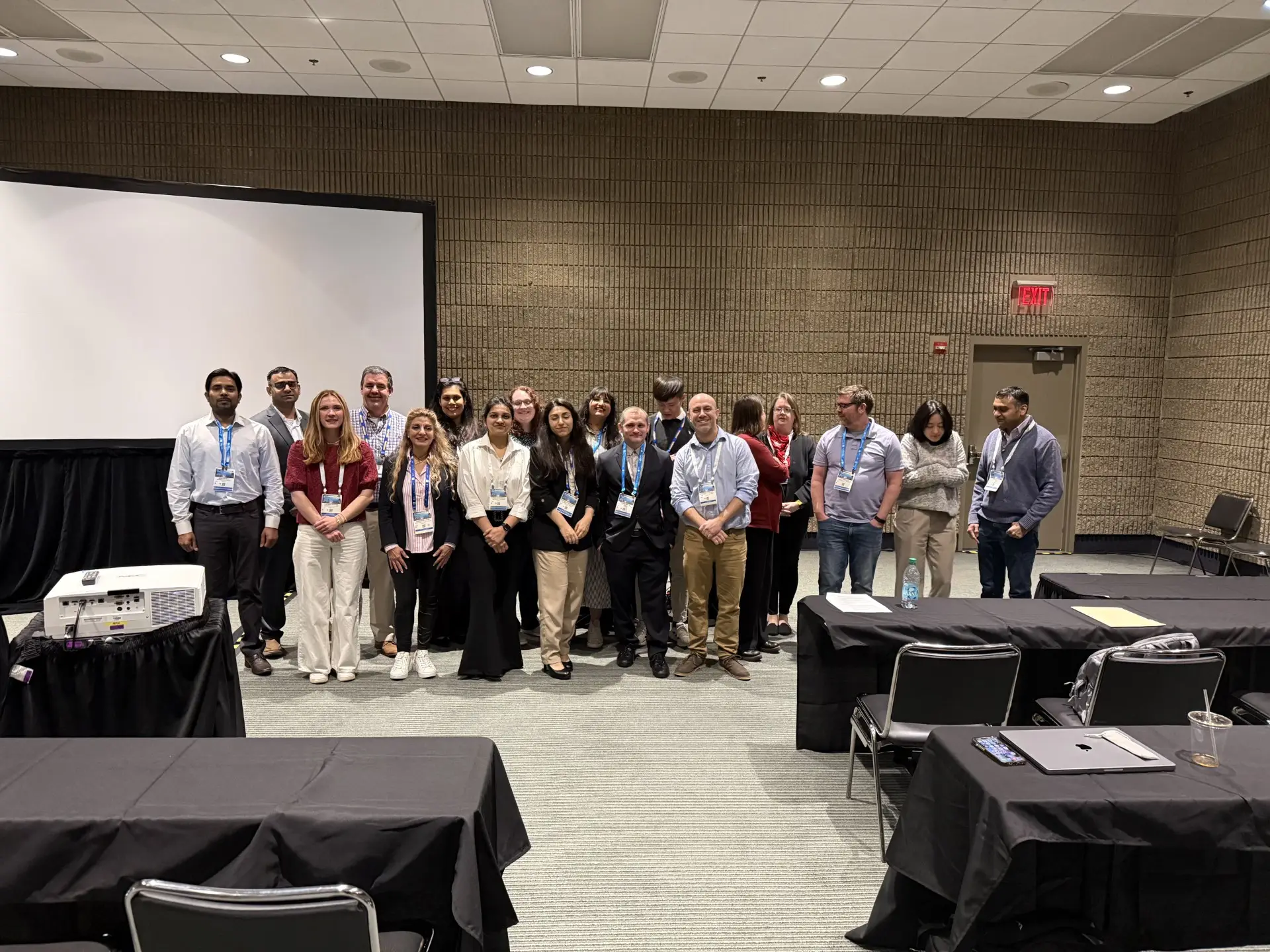
BioF:GREAT in full force at the American Chemical Society Spring 2026 conference
BioF:GREAT investigators, postdoctoral researchers and students hosted and attended sessions at ACS Spring 2026 in Atlanta, presenting across glycoanalytics, glycoenzyme engineering and glycoscience education.
Read more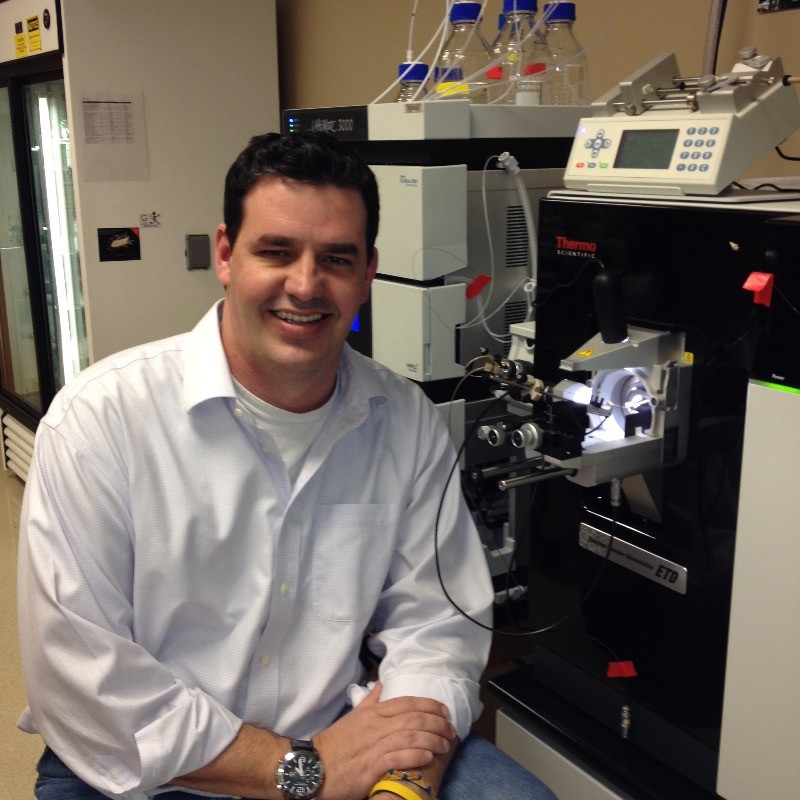
Dr. Lance Wells wins prestigious ASBMB Fellow award
Lance Wells, principal investigator of BioF:GREAT, has been named a Fellow of the American Society for Biochemistry and Molecular Biology.
Read more
Dr. Lance Wells featured on the ChemTalk podcast
Episode 61 of Let’s Talk Chemistry covers XLID, O-GlcNAc and how glycosylation can be used to make drugs more effective.
Read moreMore in highlights and news and events and conferences.
Upcoming conferences
Where to find BioF:GREAT team members over the coming months — come and say hello.
Society for Glycobiology 2026 Annual Meeting
Emory Conference Center Hotel · Atlanta, Georgia
The annual gathering of the glycobiology community, spanning fundamental, technological and clinical glycoscience, with a strong focus on trainees and career development.
Conference websiteGlycobiology Gordon Research Conference
Four Points Sheraton / Holiday Inn Express · Ventura, California
A week of frontier, unpublished glycobiology research presented and discussed in the Gordon Research Conference format.
Conference websiteACS Spring 2027
New Orleans, Louisiana
The American Chemical Society’s spring national meeting, bringing together chemists from every field — including a strong carbohydrate and glycoscience programme.
Conference websiteRecent publications
Peer-reviewed work from the BioF:GREAT laboratories and their collaborators. Summaries state each paper’s own reported finding; figures are from the papers themselves.
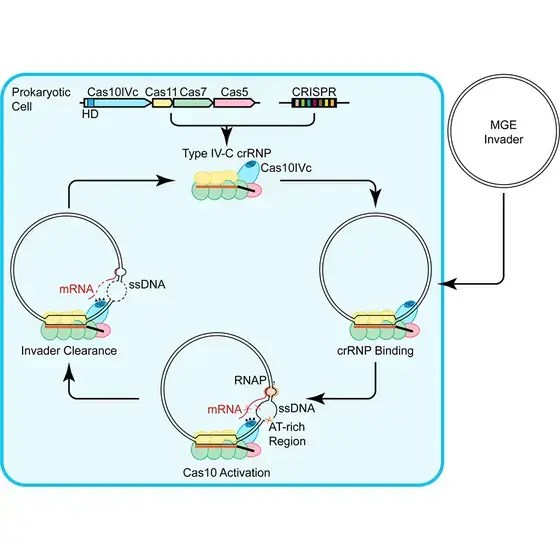
A CRISPR system that cuts everything but its target
Type IV-C CRISPR-Cas effector complexes recognize double-stranded DNA and switch on collateral cleavage of ssDNA and RNA.
Type IV-C CRISPR-Cas systems split into archaeal (IV-C1) and bacterial (IV-C2) clades. The archaeal complexes use crRNAs and a 5′-GGG-3′ PAM to bind double-stranded DNA targets, but do not cut at the bound site. Instead, target binding allosterically aligns the Cas10IVc HD domain — captured by cryo-EM — which then cleaves single-stranded DNA and RNA indiscriminately to defend against invaders.
Barcoded antibodies count cell wall polymers
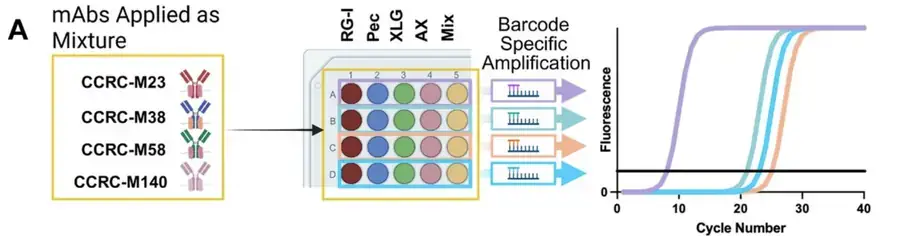
DNA-barcoded polysaccharide specific monoclonal antibodies facilitate sensitive and multiplexed detection of cell wall polymers.
Monoclonal antibodies against major plant cell wall polysaccharides were tagged with unique DNA barcodes, so the amount of antibody bound to a sample can be read out by quantitative PCR. Pooled barcoded antibodies quantified several polysaccharide epitopes at once in standards and fractionated cell wall material, opening the way to high-throughput glycome profiling and spatial glycomics.
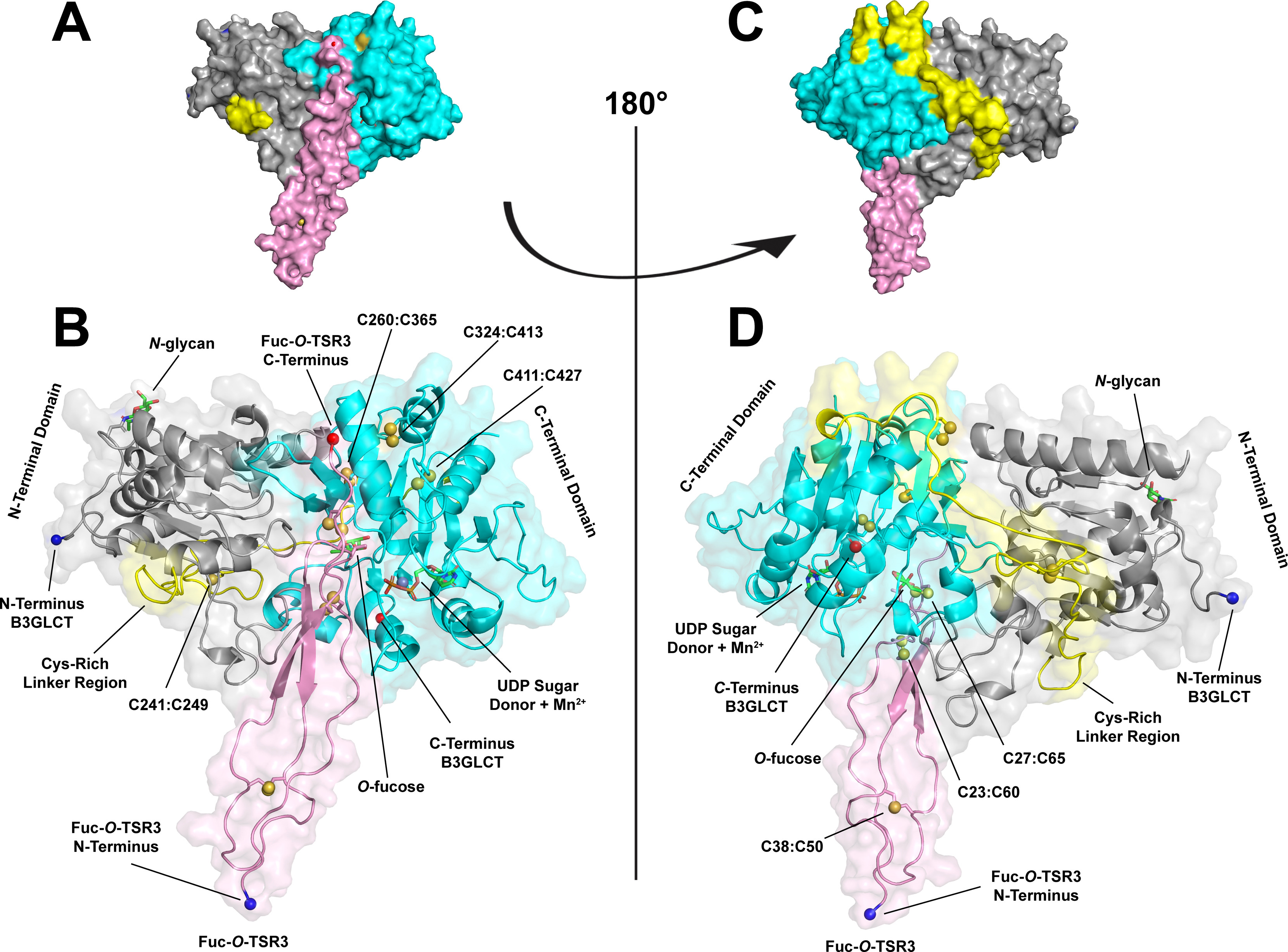
A glycosyltransferase with a catalytically dead second domain
Crystal structure of a β1,3-Glucosyltransferase reveals an unusual substrate recognition by a two-domain GT-A fold glycosyltransferase.
B3GLCT extends the rare O-fucose modification on thrombospondin type 1 repeats, and pathogenic variants cause Peters Plus syndrome. Unusually for its fold family, it carries a second GT-A domain — and the crystal structure of the enzyme bound to an O-fucosylated repeat shows that domain is essential for substrate binding yet catalytically dead: it binds neither UDP nor Mn2+, and its vestigial active site faces away from where the substrate sits.
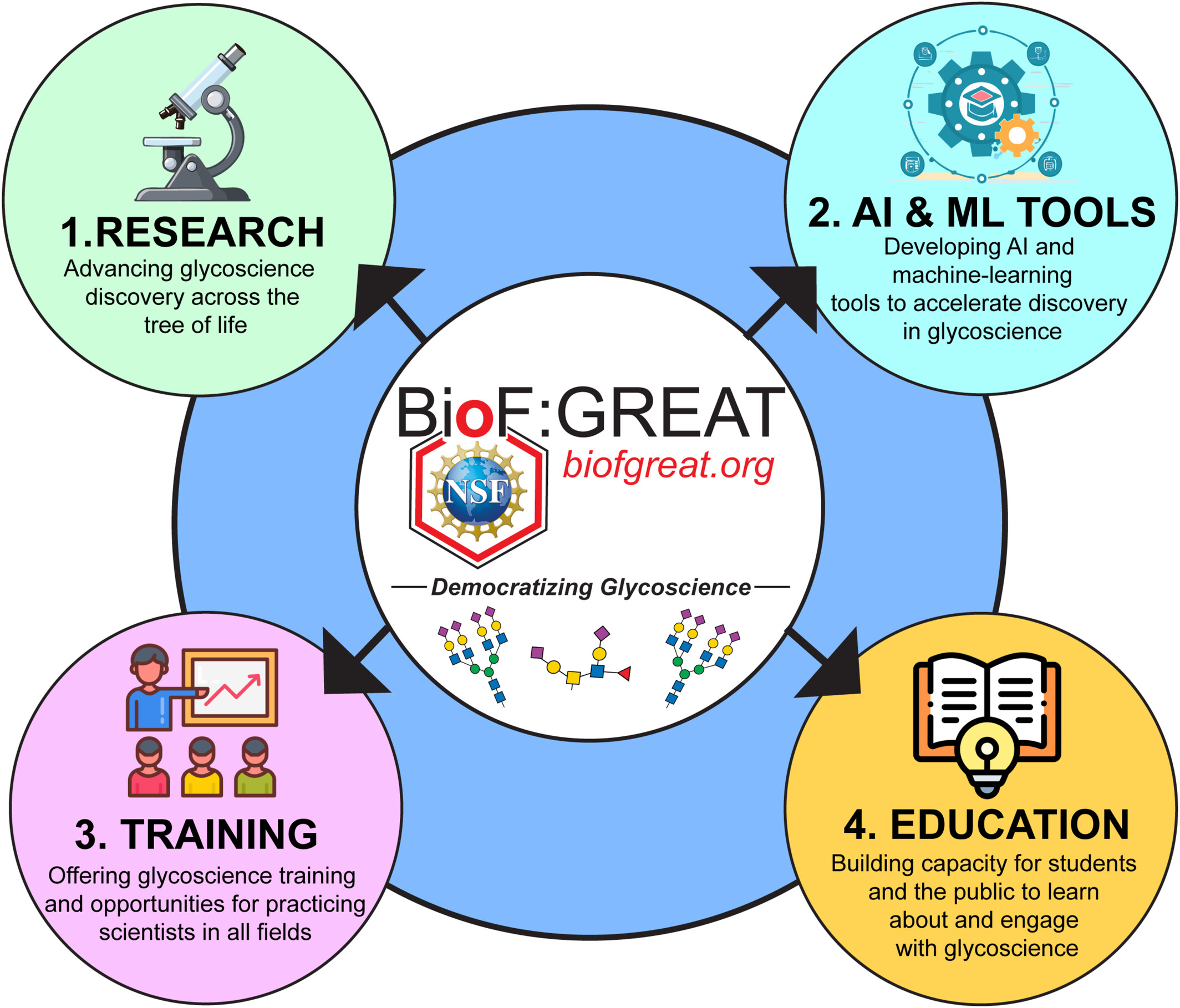
Getting glycoscience into the classroom
Building Bridges: A Story of How Institutional Investment in Discipline-Based Education Research Enables Evidence-Based Teaching in Biochemistry Education.
Discoveries reach the literature faster than they reach undergraduate teaching, which is why glycoscience is largely absent from the curriculum. This account describes how institutional investment in discipline-based education research faculty at UGA lets disciplinary scientists and education researchers co-develop teaching materials that are both current and built around how students actually learn — with BioF:GREAT’s education arm as the worked example.
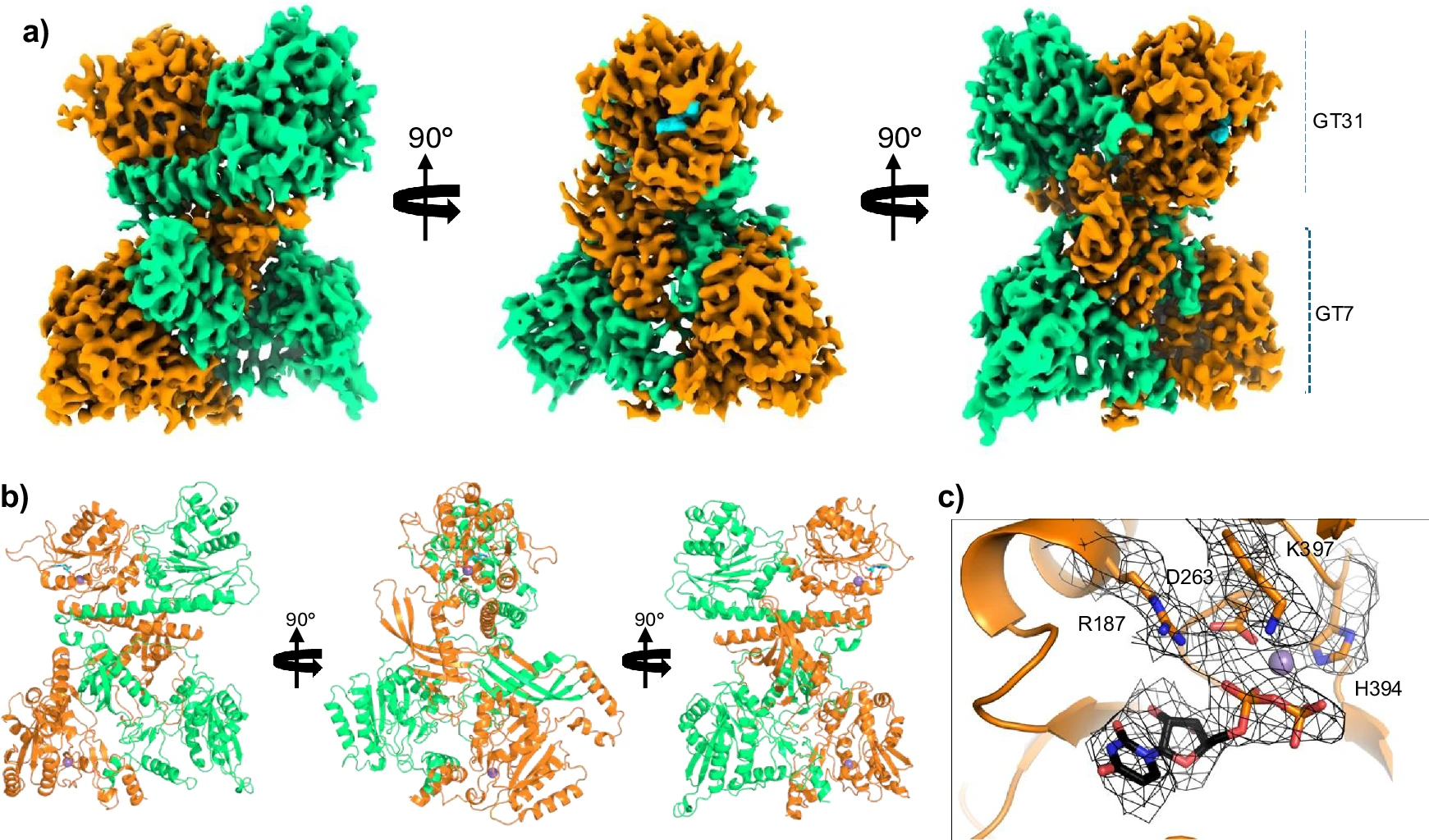
Chondroitin synthases work as heterodimers
Structural basis of chondroitin sulfate backbone polymer synthesis.
Four homologous proteins build the chondroitin sulfate backbone, and this work shows why they need each other: one CHPF and one CHSY must be co-expressed to form a soluble, functional heterodimer. Cryo-EM of CHSY3-CHPF1 plus mutagenesis places both catalytic activities in the CHSY subunit — its GT31 domain transfers β1,3-GlcA and its GT7 domain β1,4-GalNAc — while the CHPF domains contribute no synthesis and instead stabilise their CHSY counterparts.
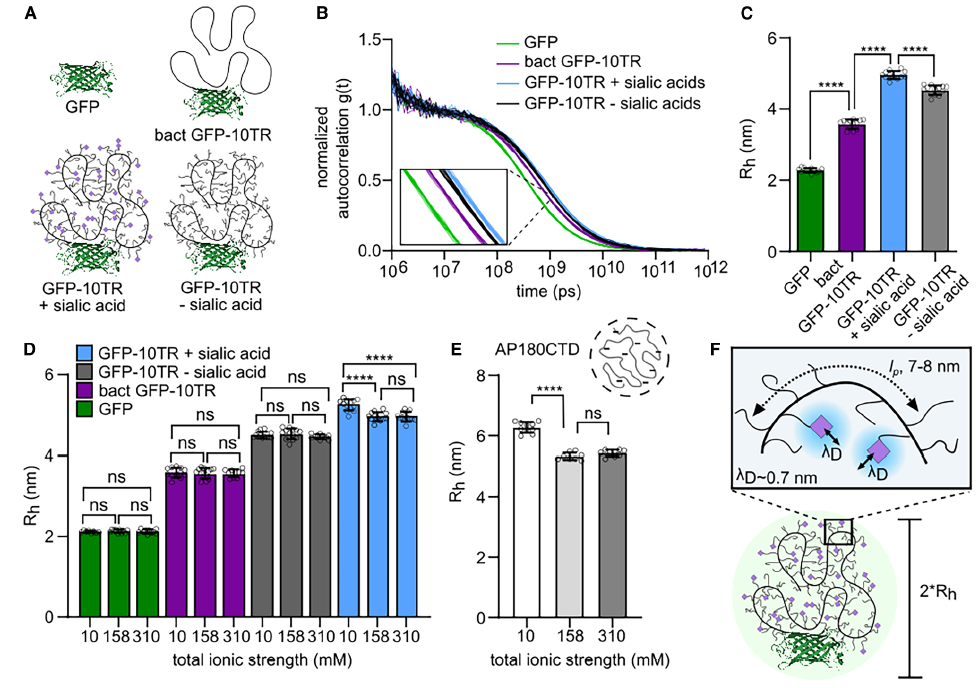
Why glycans resist endocytosis
Inhibition of endocytosis by glycans arises from steric rather than electrostatic repulsion.
Glycosylation slows the uptake of membrane proteins by clathrin-mediated endocytosis, but it was unclear whether the barrier is steric bulk or negative charge. Stripping sialic acid from a densely O-glycosylated ligand changed neither receptor uptake nor the ligand’s hydrodynamic radius, pointing to steric bulk rather than electrostatic repulsion.
The full list is on the publications page.
Collaborative projects
BioF:GREAT works through collaborations — between laboratories at the Complex Carbohydrate Research Center, and with partners at other universities, national laboratories, agencies and companies. A sample of current work:
Internal · Labs: Moremen and Perez
Structural basis of chondroitin sulfate backbone polymer synthesis
Cryo-EM and enzymology on the machinery that polymerises the chondroitin sulfate backbone, published in Nature Communications this year.
Internal · Labs: Moremen, Weiss, Perez and Ramirez
Multienzyme complexes of GAG synthesis
Reconstituting the glycosaminoglycan biosynthetic pathway as assembled complexes rather than isolated enzymes, to ask how chain length and sulfation are controlled.
Internal · Labs: Kannan
AI/ML based prediction of glycoenzyme donor substrates
Machine-learning models that predict which sugar donor an uncharacterised glycoenzyme uses, narrowing the experiments needed to assign function across large enzyme families.
External · Labs: Wells and Kong
Glycan engineering of viral fusion peptide immunogen
Adding engineered glycans to virus-like particles so the immune response focuses on the conserved HIV-1 fusion peptide instead of the carrier.
External · Labs: Moremen, Urbanowicz and Scheller
Enzyme engineering of plant glycosyltransferases
Engineering the enzymes that build plant cell wall polysaccharides, with applications from biofuel feedstocks to plant-derived materials.
External · Labs: Dolan, multi-university student collaboration
Introduction to glycoscience education modules
Undergraduate teaching modules built and tested across several institutions, addressing how little glycoscience reaches the classroom before graduate level.
The full portfolio is listed under internal projects and external projects.