Dr. Daniel Polasky to lead MSFragger and FragPipe workshop at UGA
August 19, 2026

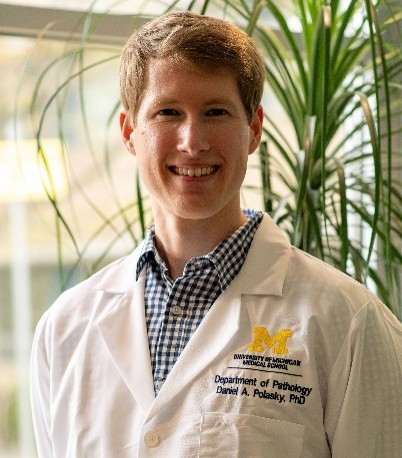
Dr. Daniel A. Polasky in a University of Michigan Medical School white coat embroidered "Department of Pathology", standing in front of green foliage.

BioF:GREAT is bringing Daniel A. Polasky of the Nesvizhskii laboratory at the University of Michigan to the CCRC for a hands-on workshop on MSFragger and FragPipe, alongside a seminar on 20 August 2026.

Dr. Polasky is a mass spectrometry and computational proteomics researcher in Alexey Nesvizhskii’s laboratory at the University of Michigan. His work develops computational approaches for interpreting complex tandem mass spectrometry data, with particular expertise in glycoproteomics and the analysis of post-translational modifications.

He is a leading developer of MSFragger-Glyco, an extension of the MSFragger search engine built for rapid and comprehensive identification of N- and O-glycopeptides, and was first author of the 2020 Nature Methods paper that introduced it: “Fast and comprehensive N- and O-glycoproteomics analysis with MSFragger-Glyco” (Polasky DA, Yu F, Teo GC, Nesvizhskii AI. Nat Methods 2020;17(11):1125–1132. DOI · PubMed).

His contributions have helped expand the FragPipe computational platform for large-scale glycoproteomics, spanning N- and O-glycopeptide identification, open and mass-offset glycan searching, glycan assignment with false-discovery-rate control, MSFragger-Labile for labile post-translational modifications, quantitative glycoproteomics, and the analysis of complex MS/MS fragmentation data.

The workshop gives researchers and trainees the opportunity to work through these glycoproteomics pipelines with one of the people who built them — the kind of direct access to method developers that is difficult to arrange and hard to replicate from documentation alone. It sits alongside the BioF:GREAT training programme and the glycoproteomics services offered through the User Facility.

Seminar

From Spectra to Glycobiology: Advances in Glycoproteomics Software with MSFragger-Glyco and FragPipe

Thursday 20 August 2026, 12:30–1:30 PM
CCRC Auditorium, University of Georgia

Dr. Daniel A. Polasky · Nesvizhskii Laboratory, University of Michigan

More on this

Glycans in Health and Disease — CCRC to hold glycoscience symposium in June

April 17, 2026

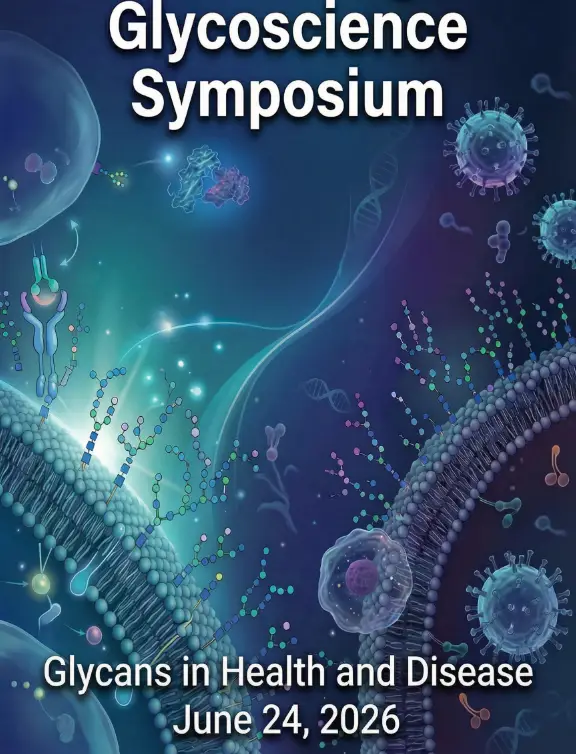
Symposium poster: glycan chains, membranes and virus particles rendered in blue and green, titled Glycoscience Symposium — Glycans in Health and Disease, June 24, 2026.

The Complex Carbohydrate Research Center will host a one-day glycoscience symposium, Glycans in Health and Disease, on 24 June 2026.

The meeting brings together researchers working on the roles glycans play in immunity, infection, development and disease, and is part of the BioF:GREAT initiative’s work to broaden participation in glycoscience beyond the laboratories that already specialise in it.

Programme, registration and venue details are announced through the events and conferences page; the BioF:GREAT team can be contacted directly for enquiries about attending or presenting.

BioF:GREAT in full force at the American Chemical Society Spring 2026 conference

April 14, 2026

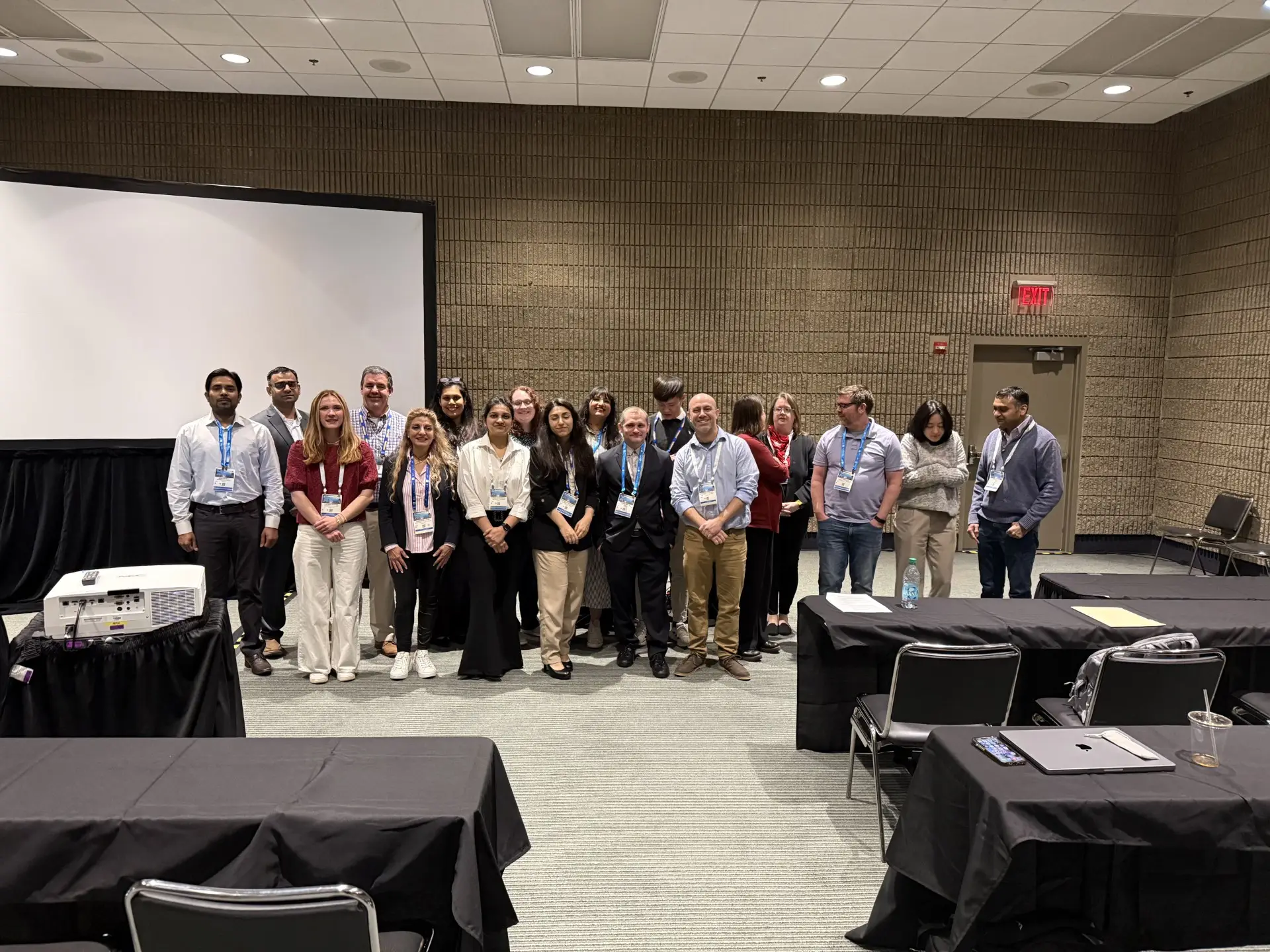
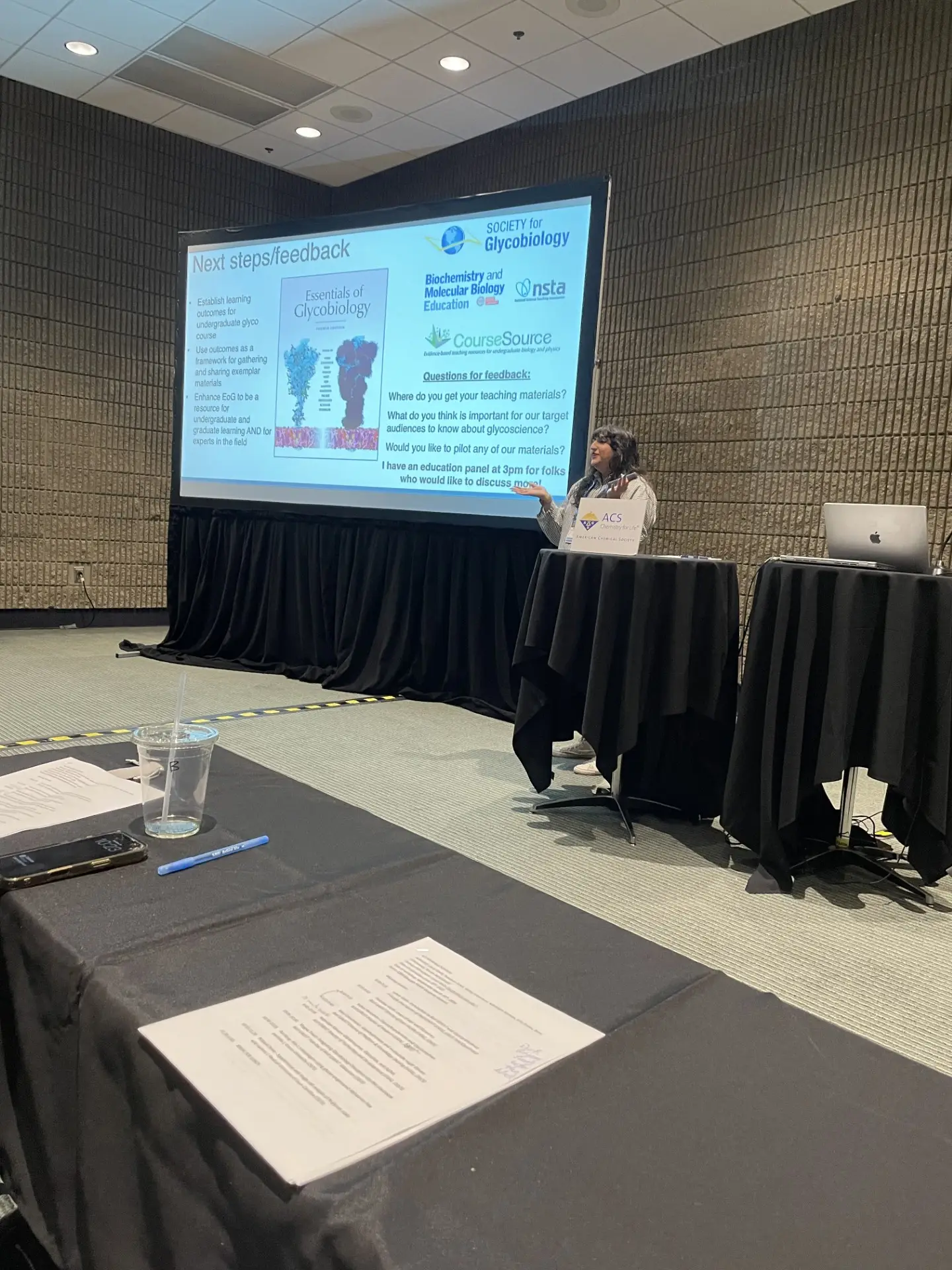
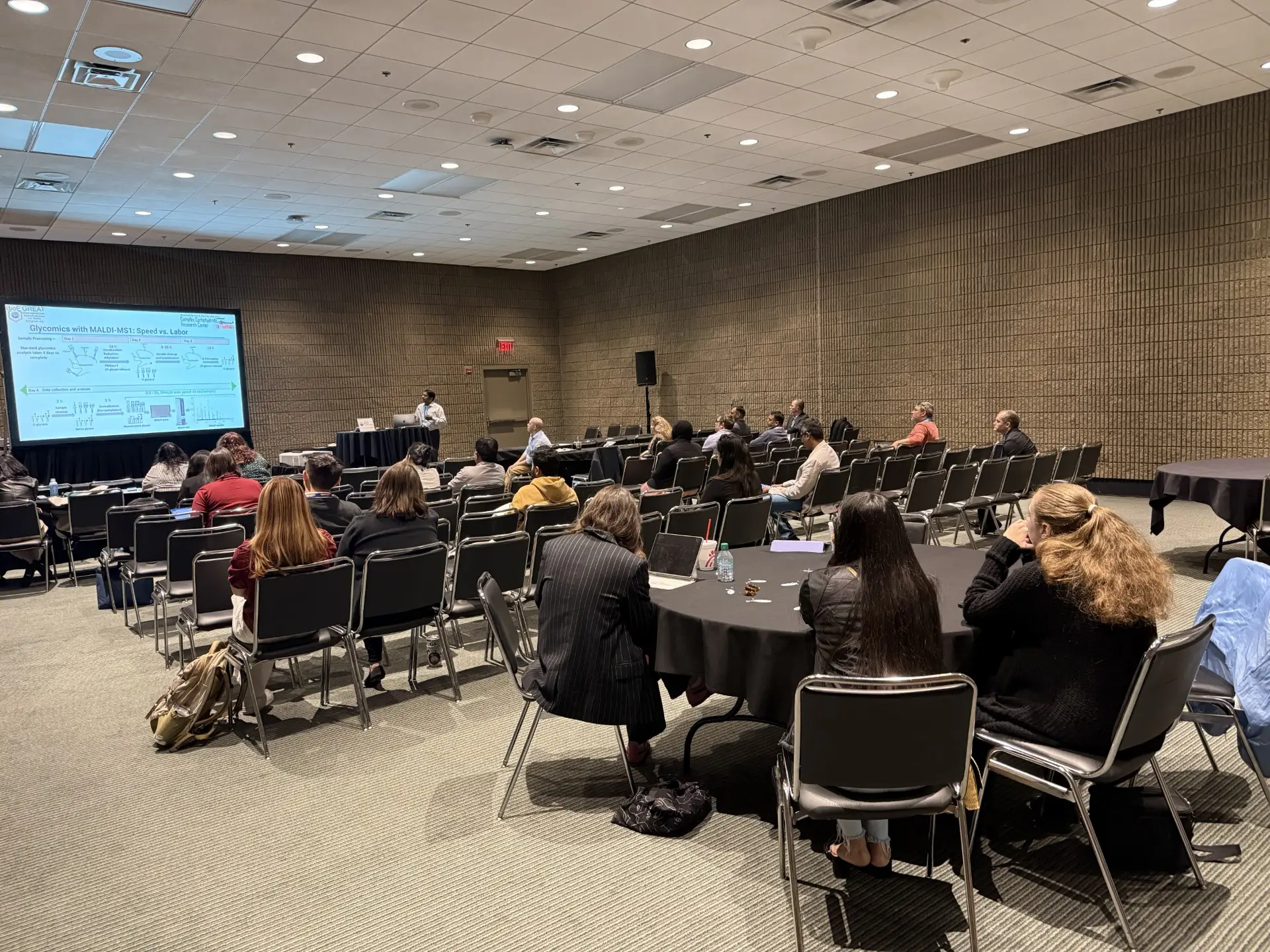
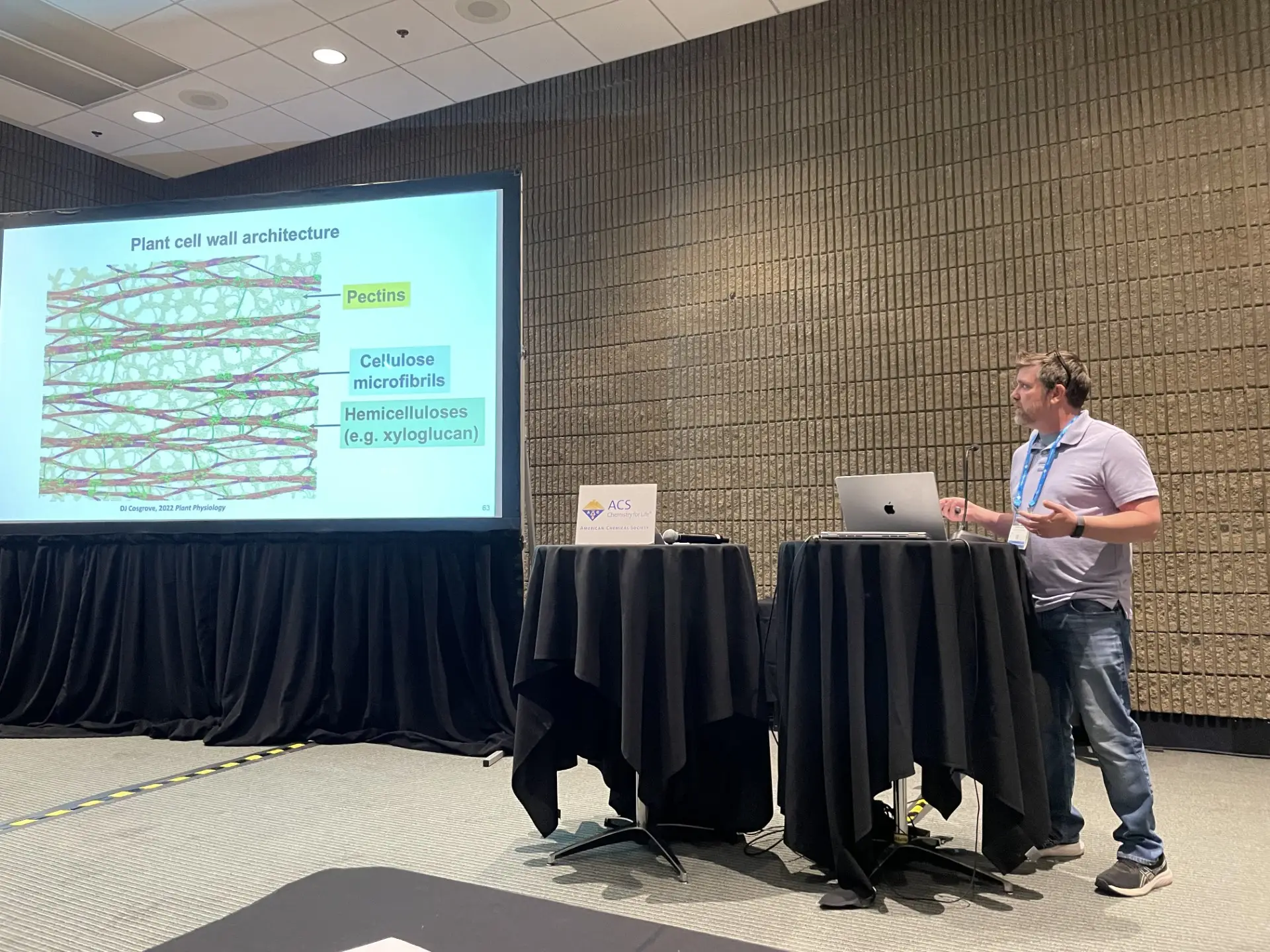
Members of the BioF:GREAT team standing together in front of the projection screen in an ACS Spring 2026 session room.

BioF:GREAT investigators, postdoctoral researchers and students hosted and attended sessions at ACS Spring 2026 in Atlanta, presenting across glycoanalytics, glycoenzyme engineering and glycoscience education.

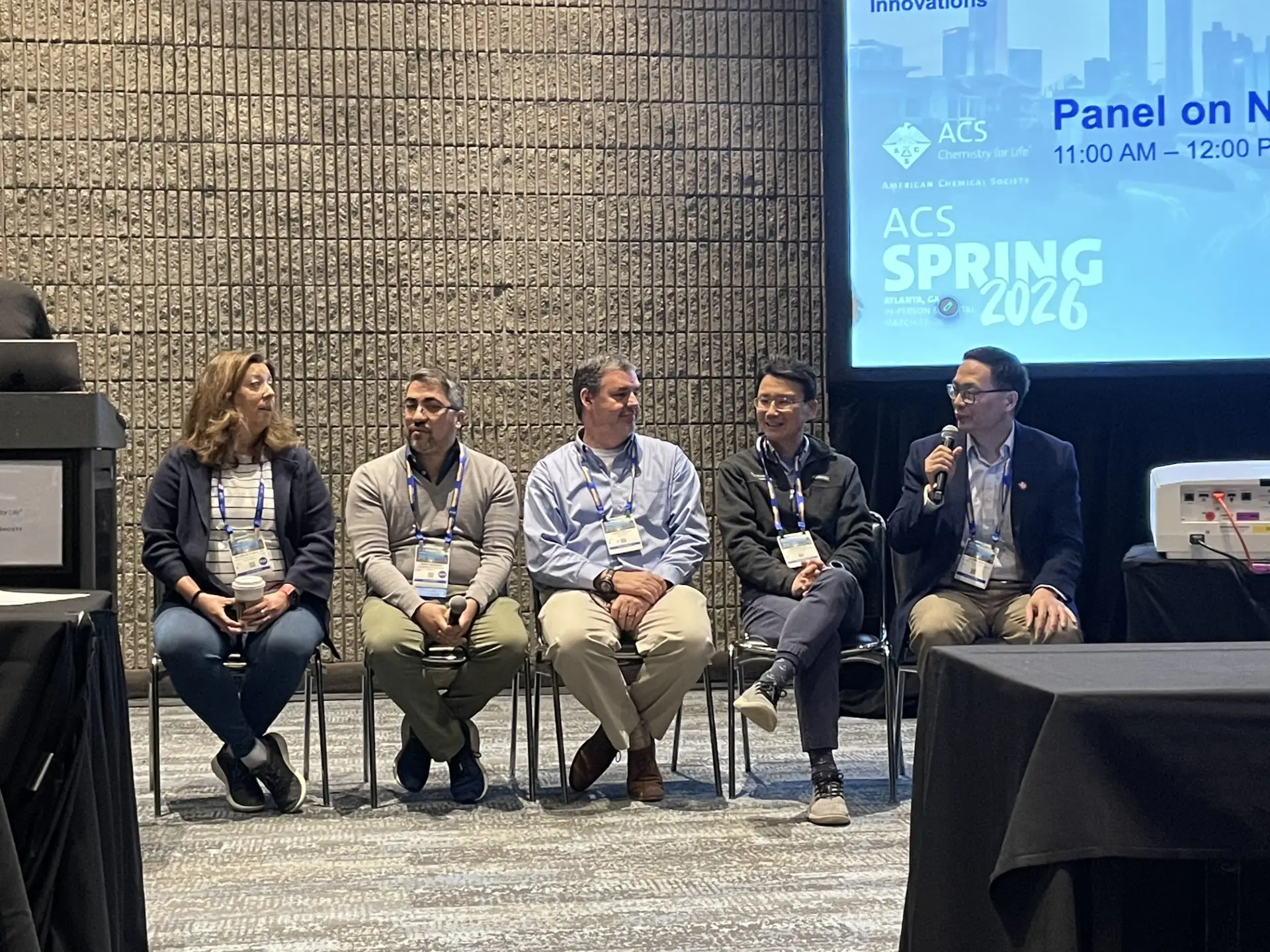
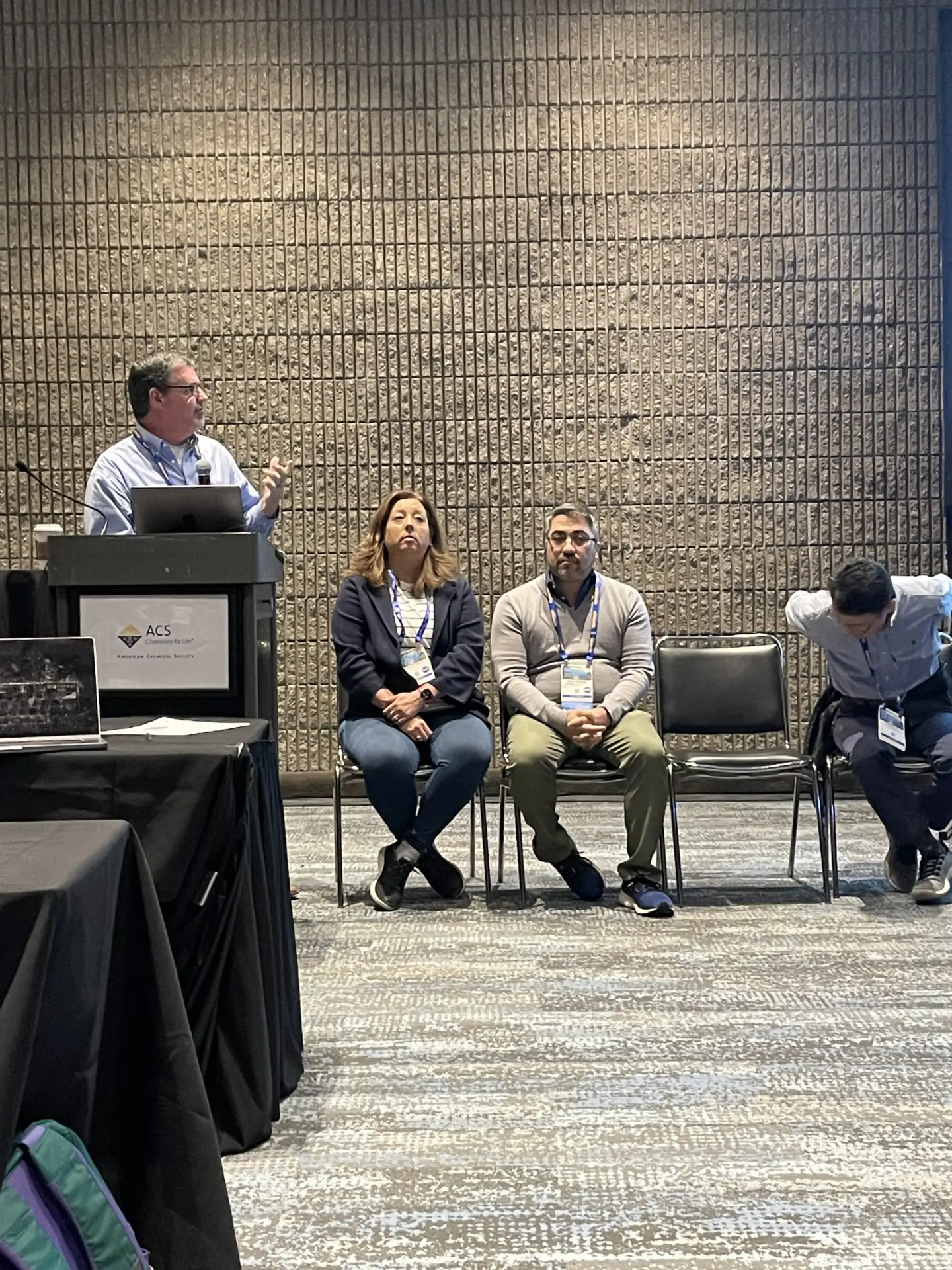
Team members contributed talks and panel discussions spanning the initiative’s research and education aims — from high-throughput glycomics by MALDI-MS and the structural analysis of plant cell wall polysaccharides, through to a panel on new innovations in the field and a session on building shared teaching materials for undergraduate glycoscience.

Attending conferences outside the glycobiology community is a deliberate part of the BioF:GREAT strategy: much of the initiative’s audience — chemists, engineers, educators and students — encounters glycans only in passing, and meetings such as ACS are where those introductions are made.

From the meeting

Dr. Lance Wells wins prestigious ASBMB Fellow award

March 15, 2026

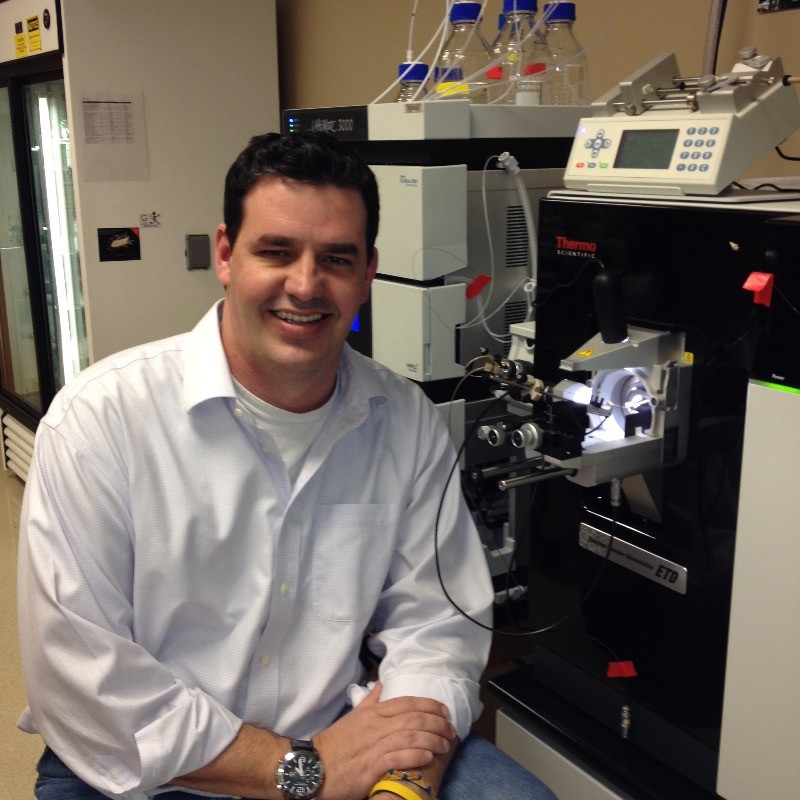
Dr. Lance Wells seated beside a Thermo Scientific mass spectrometer and UltiMate 3000 chromatography system in his laboratory at the CCRC.

The field of glycoscience, which studies the structure and function of carbohydrates and their derivatives, is essential for advancing biomedical research, bioengineering, and material science. Yet, it remains one of the least understood and most technically challenging areas of molecular biology. To bridge this gap, the National Science Foundation (NSF) has invested in a Biofoundry initiative designed to democratize access to glycoscience research, technologies, and educational resources.

The NSF-supported Biofoundry will focus on the development of novel research methods and technologies related to glycoenzymes and glycoproteins, which are vital for understanding biological processes across the tree of life. These complex molecules are involved in key biological mechanisms, such as cellular communication, immunity, and tissue development. However, due to their structural diversity and complexity, studying them requires specialized equipment and expertise.

Through the Biofoundry, researchers and students will have access to cutting-edge tools and facilities, removing barriers that have historically limited the reach of glycoscience. This democratization effort includes the creation of instructional programs and resources aimed at training a new generation of scientists. These initiatives will emphasize hands-on experiences, equipping researchers from diverse backgrounds with the skills necessary to work with glycoenzymes and glycoproteins effectively.

Furthermore, the Biofoundry will contribute to scientific collaboration, fostering partnerships between academic institutions, industry, and government agencies. By integrating advanced technologies like automation and high-throughput analytics, the project will accelerate discoveries in glycoscience and their applications in fields ranging from drug development to agricultural biotechnology. This transformative approach has the potential to revolutionize our understanding of glycoscience and broaden its impact across numerous scientific and engineering disciplines.

Dr. Lance Wells featured on the ChemTalk podcast

October 21, 2025

ChemTalk podcast artwork for the Let’s Talk Chemistry episode featuring Lance Wells.
Dr. Lance Wells seated beside a Thermo Scientific mass spectrometer and UltiMate 3000 chromatography system in his laboratory at the CCRC.

The term “glycobiology” may be unfamiliar to many students, as it is an undertaught but extremely important field that is linked to nearly every facet of cellular biology. Glycobiology is the study of carbohydrates, also known as glycans. On this exciting episode of Let’s Talk Chemistry edited by David Alvia, hosts Erin Suh, Jasmine Winter, and Diya Garrepally dive into our interview with Dr. Lance Wells. Dr. Wells shares his research on XLID, an intellectual disability syndrome linked to mutations in OGT, an enzyme that adds a type of glycan, called O-GlcNAc, onto proteins. He also shares how glycans can be used to modify drugs through a process called glycosylation to make them more effective. We hope you enjoy!

Listen on Spotify